
Tomorrow marks the shipping date for the Vision Pro. Apple’s first generation of immersive headsets will begin being delivered to customers who made reservations several weeks prior.
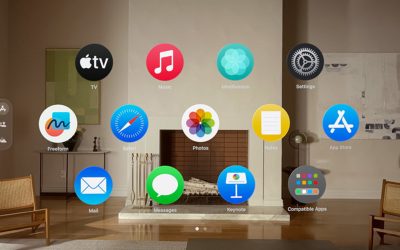
A key area of anticipation is which native applications will be pre-installed and which will be progressively available through the App Store, particularly those developed specifically to leverage the new visionOS operating system. Demonstrations by the company reveal they will initially include a limited number of compatible applications, many of which are already known to iPhone and iPad users.
These applications include Safari, Apple Music, Mindfulness, Notes, Messages, Photos, Safari, Shortcuts, Freeform, and Keynote.
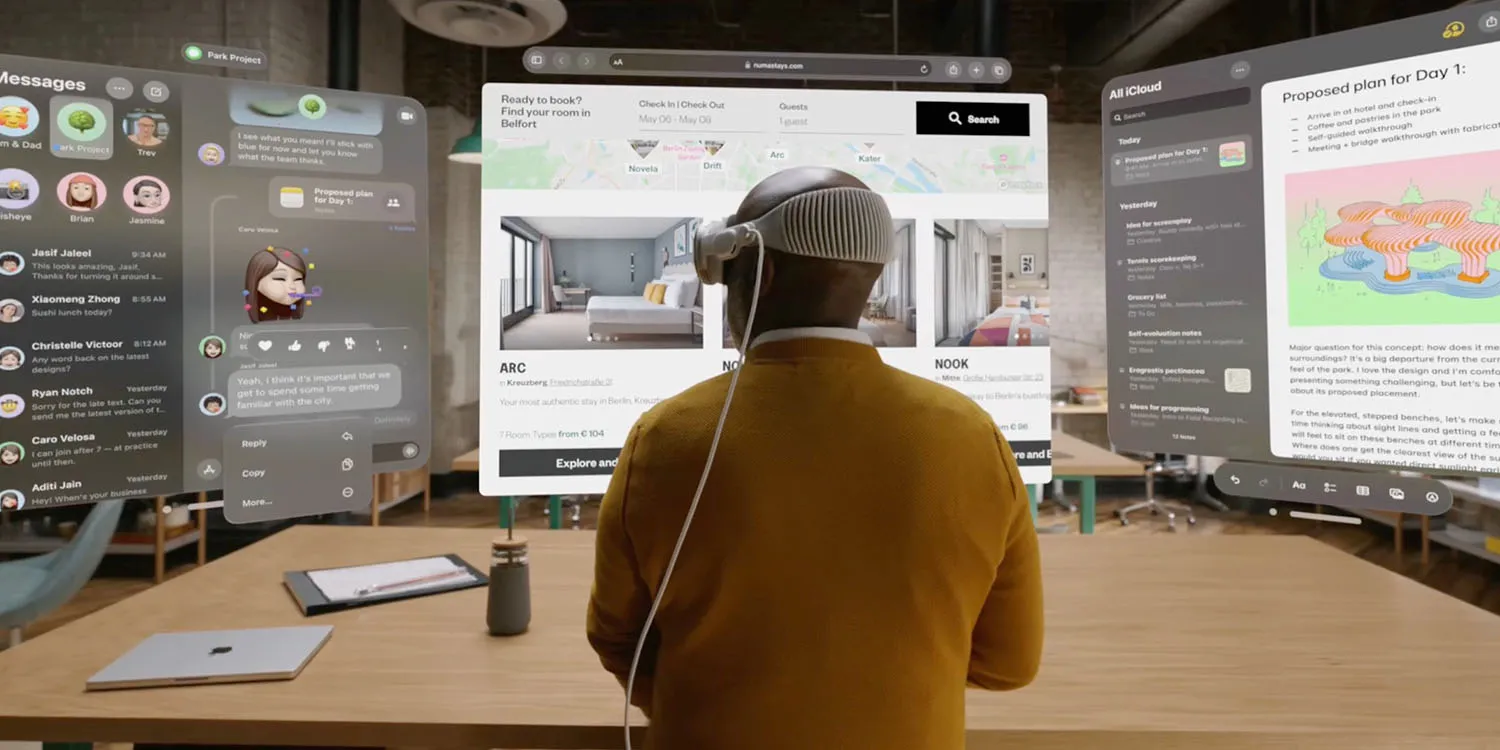
This provides users with a virtual workspace for creating documents, messaging, and browsing the internet; a tool that transitions between photorealistic virtual environments; a photo and video browser; and a 3D modeling application, among others.
It is also anticipated that external apps, though initially limited to download from the U.S. App Store, will be present at launch.
Obviously, the device’s price is too high for consumers, and there aren’t yet truly compelling applications to drive adoption. Therefore, expectations are that external developers will begin offering experiences that add value to the end-user.
However, Apple’s typical relationship with developers is often challenging. Unlike other companies that seek to attract developers to their platforms, Apple is known for the obstacles it frequently places in the way of professionals, in addition to its high commission rates.
Consequently, developers face the dilemma of investing significant time, effort, and money in developing applications for a user base that, at least in the short to medium term, appears relatively small and highly focused on a professional audience.
More applications are likely to arrive, but not immediately. It will take time to establish a sustainable ecosystem for the Vision Pro, and developers will likely wait and see. Notably, key companies like Netflix, Spotify, and YouTube have announced they will not have a native app for visionOS, at least initially.
Conversely, some companies have stated their intention to develop apps for Vision Pro, such as TikTok and Disney+, although these are still expected to be released at a later date.
We will need to observe the device’s adoption rate over the coming months and see if the figures encourage developers to join the platform. Regardless, initial data appears positive. Apple has achieved half of its 2024 target (selling 400,000 devices) in 10 days. Between the first weekend, 160,000 to 180,000 units were sold, and this figure has risen to an estimated 200,000 units, representing approximately $600 million in revenue.
We anticipate a gradual expansion into international markets, commencing in the second half of the year, specifically prior to the WWDC event scheduled for June.